Understanding NMEA 2000 Marine Networks
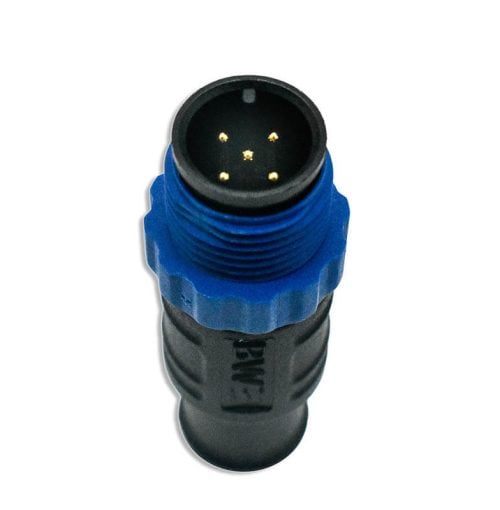
NMEA 2000 (often abbreviated as NMEA 2K or N2K) is the modern communication standard used by the marine industry to connect electronic devices on a boat. It allows chartplotters, engine gateways, sensors, gauges, autopilots, radios, depth transducers, and many other marine electronics to share information through a single, waterproof, plug-and-play network. Because NMEA 2000 is a standardized, certified protocol, it ensures that devices from different manufacturers—such as Garmin, Simrad, Lowrance, Raymarine, B&G, Humminbird, and Yamaha Command Link—can communicate seamlessly using the same 5-pin Micro-C connector format.
An NMEA 2000 network is built around a simple physical structure: a backbone cable that runs along the boat, with T-connectors branching off to each device through drop cables. The backbone provides power and data to every connected module, while the drop cable delivers that connection to a specific marine device. Our full selection of NMEA 2000 components makes it easy to build a reliable, standards-compliant network from scratch or expand an existing system. When you see a product type mentioned below—such as a drop cable, power cable, terminator, isolator, or tee—we’ve provided a convenient place to insert a link to the corresponding part.
The Structure of a Proper NMEA 2000 Network
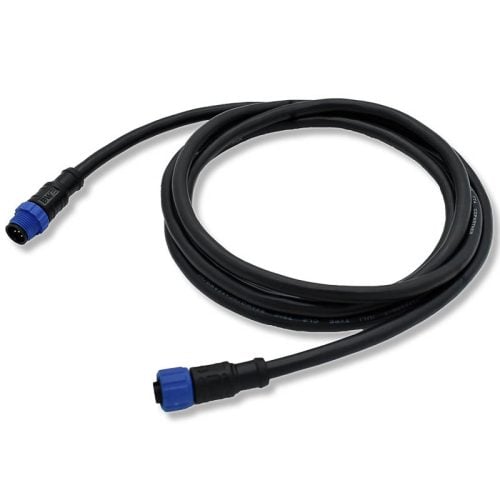
Every NMEA 2000 network follows the same proven layout. At the center is the backbone, which distributes both power and data throughout the entire system. You may see this referred to as a “trunk line” or “backbone extender” depending on length and layout. To extend a backbone to another part of the boat, installers typically use NMEA 2000 backbone cables, but NMEA 2000 Drop Cables can also be used. The only difference between a backbone and drop cables are the power conductors are larger to minimize voltage drop.
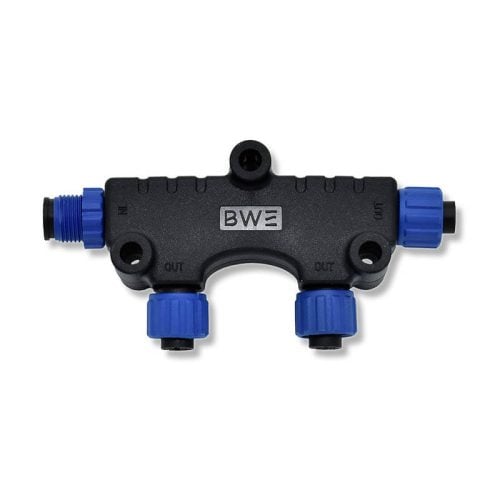
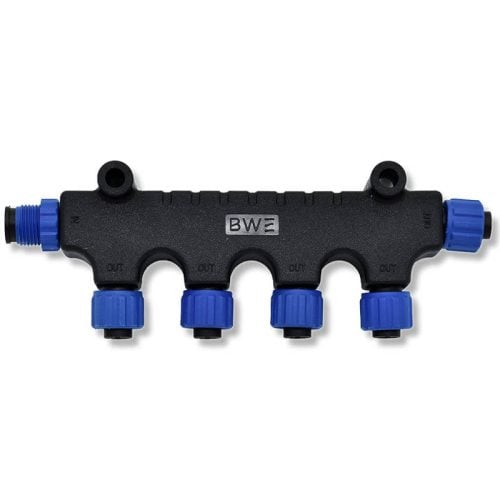
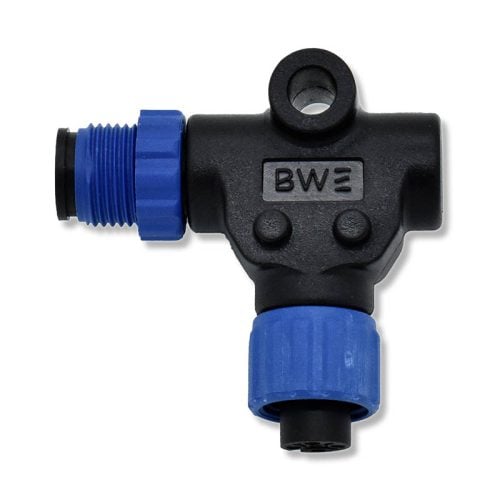
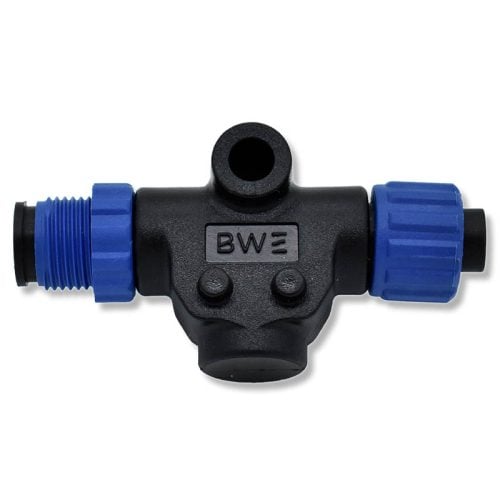
At each point where you want to connect a device, you add a Tee Connector to the backbone. A standard 1-way Tee adds a single drop port, while 2-way , 3-way , and 4-way versions allow for multiple devices to be connected in high-density areas such as helm stations. These tees maintain the data path through the backbone while branching off power and communication to each connected device.
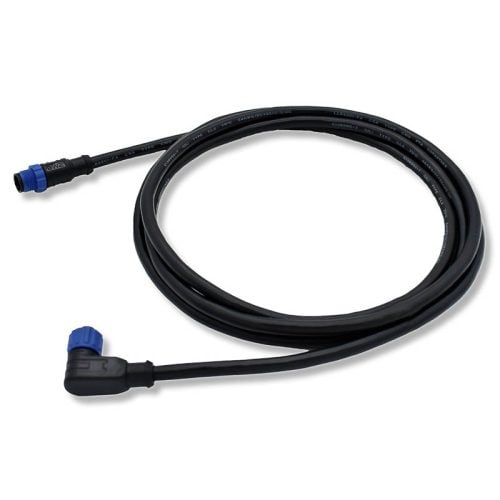
From each tee, a drop cable connects to the NMEA 2000 device. Drop cables are typically short and built with 22AWG/24AWG conductors suitable for shorter runs. They come in multiple lengths and can also double as short backbone sections when necessary. For tight installations behind a dash or in rigging tubes, a right-angle NMEA cable or right-angle adapter can make routing easier by solving clearance issues.
Powering the Backbone
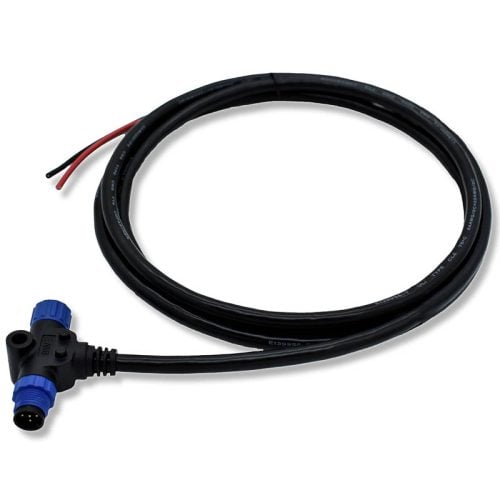
Every NMEA 2000 network requires exactly one power cable connected to a clean 12V DC source. This power feed energizes the backbone and all devices connected to it. The NMEA standard requires this circuit to be fused at 3 amps or less, and the fuse should be located as close to the power source as possible.
In larger installations that require multiple power insertion points, a power isolator is used to prevent voltage conflicts and keep the network properly segmented. This component ensures no back-feeding occurs between different branches of the backbone while still allowing uninterrupted data flow.
Termination and Network Stability
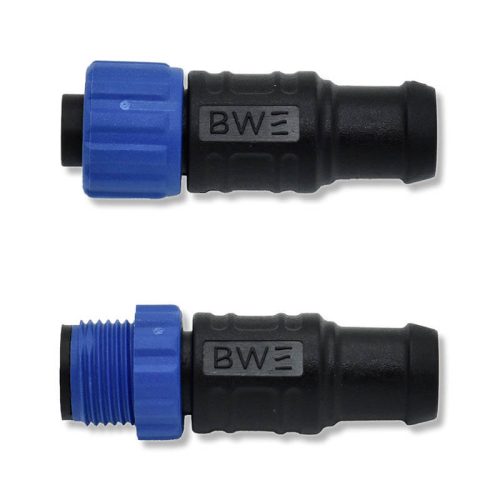
For an NMEA 2000 network to function correctly, it must be terminated at both ends of the backbone using 120-ohm terminators. These terminators stabilize the data signal, prevent reflections, and keep communication clean across the entire network. A common cause of NMEA 2000 issues—such as intermittent sensor data or devices dropping offline—is improper termination, either missing terminators or having more than two installed. It must always be two. Never one, never 3 (except for really unusual cases where a terminator is built into a device, but assume it is not unless clearly stated).
Because terminators are compact and fully molded, they are typically installed at the physical ends of the backbone cables or at the last tee on each side of the network. Whether you are designing a long backbone through the hull or a compact network behind a helm, proper termination is essential for reliable data communication.
NMEA 2000 Compatibility and Why Standards Matter
One of the greatest strengths of NMEA 2000 is its universal compatibility. As long as a device is NMEA 2000 certified, it will work with any other certified component regardless of brand. A Garmin GPS can communicate with a Simrad autopilot, which can share data with a B&G wind sensor or a Yamaha engine interface. This consistency is made possible by the adoption of the DeviceNet Micro-C standard, a rugged 5-pin connector format designed specifically for marine environments.
All of our NMEA 2000 components follow this industry standard. The cables use marine-grade jackets, tinned copper conductors, and shielded power/data pairs to maintain clean signal integrity. Connectors are molded for true IP67 waterproofing and corrosion resistance—critical for saltwater environments and high-vibration installations.
Designing a Reliable NMEA 2000 System
When planning your network, keep backbone length, drop length, and power distribution in mind. The NMEA 2000 standard recommends keeping individual drops under 6 meters and maintaining proper termination at both ends of the backbone. Multi-port tees can help organize helm areas, while backbone extenders and adapters allow for flexible routing through bulkheads, consoles, and rigging tunnels.
Whether you’re adding a single device or building an entire network from scratch, choosing certified, marine-grade components ensures long-term reliability. With our complete selection of NMEA 2000 tees , cables , power components, adapters, and terminators, you can create a clean, professional installation that will perform for years in demanding marine environments.
From small center consoles to offshore sportfishers, a properly built NMEA 2000 backbone delivers the accurate, real-time data modern boaters rely on. Our curated selection is engineered to make the installation process simple, reliable, and compliant with the full NMEA 2000 specification—no guesswork, no compatibility issues, just dependable marine networking.


 ACC
1 × $64.00
ACC
1 × $64.00 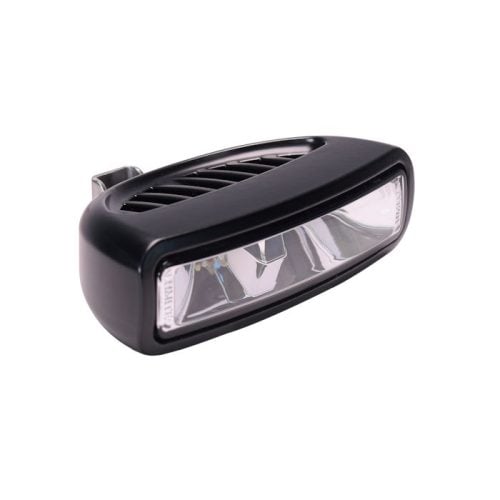 Caprera 3 Spreader, White, Non-Dimming – Black
1 × $120.29
Caprera 3 Spreader, White, Non-Dimming – Black
1 × $120.29  Bright
1 × $64.00
Bright
1 × $64.00  22mm BlueWater Daybright OFF/ON/ON/Both Pushbutton Body
1 × $55.00
22mm BlueWater Daybright OFF/ON/ON/Both Pushbutton Body
1 × $55.00 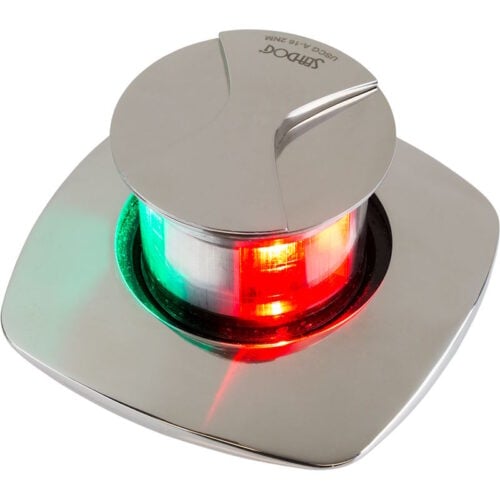 LED Pop Up Bow Light
1 × $140.76
LED Pop Up Bow Light
1 × $140.76  Fwd Bilge
1 × $8.99
Fwd Bilge
1 × $8.99 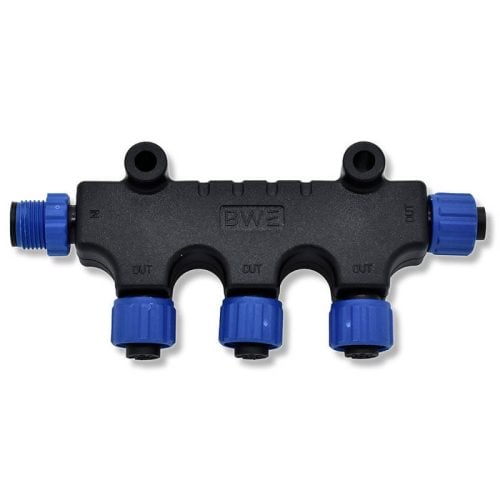 NMEA 2000 3-Way Tee Connector (Triple)
1 × $50.00
NMEA 2000 3-Way Tee Connector (Triple)
1 × $50.00